
DG Club Game Guide
Updated: October 21, 2026 · By DG Club Game Team
DG Club Deposit: Payment Checks, Missing Balance and Transaction Help
Money leaving a payment account and money appearing in an app balance are two different events. When one happens without the other, repeating the payment can make the situation harder to resolve.
This DG Club game deposit guide focuses on the information needed to assess payment claims and investigate an existing transaction. It explains how to compare records, describe a missing balance and recognise suspicious requests. Current DG Club payment methods, limits and fees have not been independently confirmed.
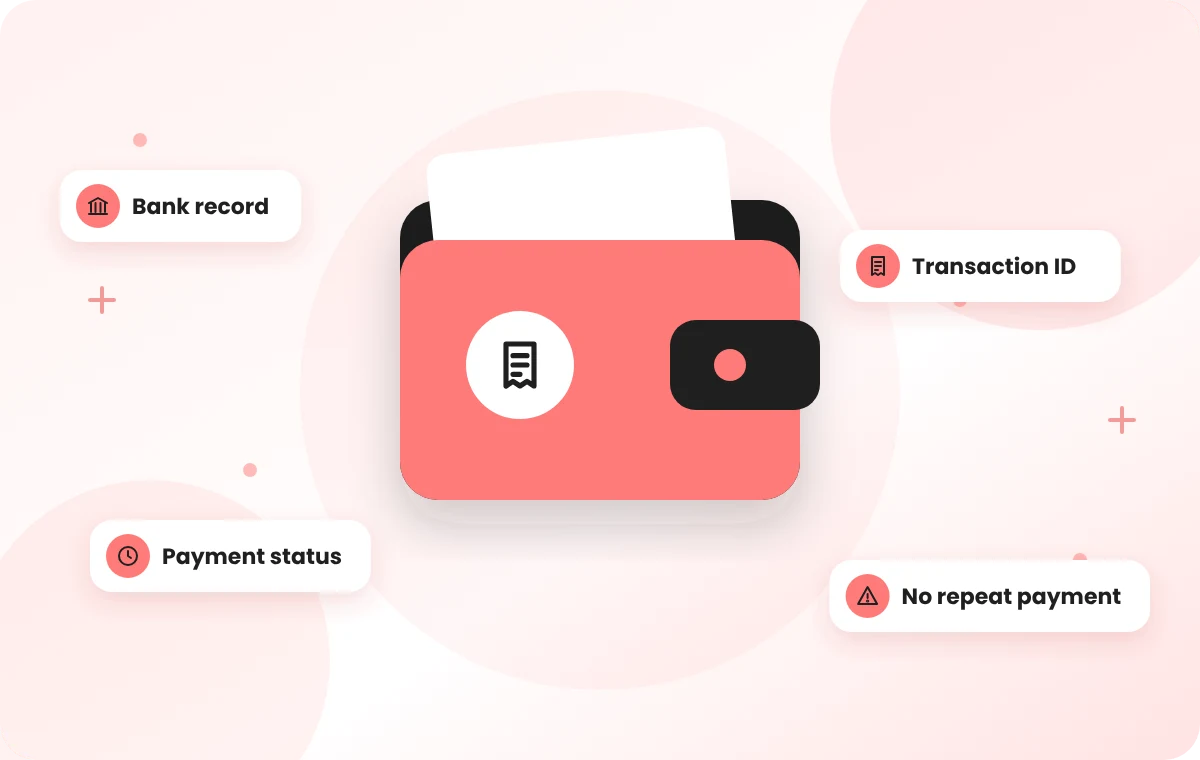
Key DG Club Checks at a Glance
Check the Service Before Any Payment Decision
A payment logo is not proof that a business is authorised or that a transaction will be handled reliably. The recipient and service identity need to be established separately.
Read who operates the website, which entity receives funds and what the terms say about balances and disputes. If an access button leads to another domain, the payment destination needs its own review.
For Indian readers, online money-game restrictions apply to services involving financial stakes and expected monetary gain. An available payment screen does not establish that the service is permitted.
What a Deposit Page Should Explain
A clear payment page should identify the payment method, amount, recipient, applicable charges and how status will be recorded. Any time limit or expiry condition should be visible before action is taken.
Do not rely on an amount copied from a blog or a forwarded message. Figures can be outdated, inaccurate or associated with a different service.
There is no verified universal DG Club minimum deposit, maximum deposit or deposit fee in this guide. Claims about these figures should be checked against authenticated current terms.
Also read: If money has left your bank, compare it with the steps in our DG Club withdrawal guide and keep your DG Club login details private. The DG Club game guide explains account safety in more detail.
Understand the Different Payment Records
The Bank or Payment-Provider Record
This shows what happened in the payment account: for example, whether an amount is pending, debited, failed or reversed.
Record the exact wording. A message saying a request was initiated is different from a final confirmation.
A transaction reference or UTR, where provided, can help the payment provider identify the transfer. Keep the original record rather than relying only on a cropped image.
The Service Account Record
An app or website may show a separate request, receipt entry or balance change. That record should be compared with the payment-provider record.
A request appearing in account history does not prove that money was received. Likewise, a successful bank transfer does not establish that the service has matched it to your account.
The discrepancy between these records is the issue to report.
When Money Is Deducted but the Balance Is Missing
Begin by checking the final payment status. If the payment remains pending, describe it as pending rather than completed.
If a debit is confirmed, compare the amount, time, recipient and reference with any corresponding account entry. Check whether the wrong account was open when the request was created.
Then:
- Save the original transaction record privately.
- Record the account balance and relevant history entry.
- Note the exact status shown by each system.
- Avoid submitting another payment for the same unresolved issue.
- Report the mismatch through a verified support route.
- Ask your payment provider about the transaction status where necessary.
There is no fixed waiting period established here. A page promising automatic resolution within a particular number of minutes needs evidence.
Possible Reasons a Payment Is Not Reflected
A missing balance can have several causes. The description on the screen should guide the investigation.
| What you observe | What needs checking |
|---|---|
| Payment still pending | Whether the provider has issued a final status. |
| Debit confirmed, no account entry | Whether the recipient and account details match the intended transaction. |
| Account request says failed | Whether funds actually left the payment account or were reversed. |
| Amount differs between records | Whether a fee, partial entry or incorrect amount is documented. |
| Two debit entries appear | Whether there are two separate transaction references. |
| Support cannot locate the payment | Whether the supplied reference and recipient details are accurate. |
These are possible checks, not a diagnosis of a specific DG Club transaction.
If You Used UPI or a Bank Transfer
A website may display UPI, bank-transfer or wallet logos, but those logos do not verify current support for the method.
For an existing transfer, retain the reference and the recipient information shown in the payment application. Compare the recipient with the information you intended to use.
Do not give a support contact a banking password, payment PIN or OTP. Someone claiming to process a refund should not require remote control of your phone.
A transaction reference can be shared through an appropriately verified dispute channel. Full banking credentials should remain private.
Payment Failed: Was Money Actually Deducted?
Read both records before deciding that funds are missing. An unsuccessful request may appear in account history even when no final debit occurred.
If the payment account shows a debit followed by a reversal, record both entries. Do not describe the original debit without mentioning the reversal when asking for help.
Where the status is unclear, ask the payment provider to clarify the final outcome. Do not assume a failed label means the service owes a balance, or that a debit means funds reached the intended recipient.
Duplicate Payments and Repeated Attempts
When a page does not respond, pressing the button again may create uncertainty about whether one or more requests were sent.
If two amounts were deducted, keep both references. Note whether they have the same recipient and whether either has been reversed.
Do not combine separate transfers into a single total when the support team needs to trace each one. A short timeline helps preserve the sequence.
Avoid making a further payment to “correct” an earlier transfer unless the issue has been independently clarified and the action is appropriate.
Prepare a Clear Deposit Support Request
A useful report gives the facts without exposing unnecessary personal information.
Include the account identifier through the verified channel, transaction amount, date, reference and the different statuses observed. State whether the money was reversed or remains deducted.
For example: “The payment provider shows a completed debit, but the service account has no matching credit. I have retained the transaction reference and recipient record. Please confirm whether the payment can be traced.”
Mask unrelated transactions in screenshots. Keep an unedited original privately in case the bank or payment provider needs it.
Warning Signs Around Payment Help
Be cautious if a contact asks you to send money to a personal account to release an earlier payment. The same applies to claims that an extra transfer is required to pay a verification charge or remove an account restriction.
Do not scan an unfamiliar code or approve a request without reading what it authorises. Receiving money should not require sharing your secret payment credentials.
If you suspect an unauthorised or fraudulent transaction, contact the bank or payment provider promptly through a contact route you already trust. Preserve messages and transaction records.
Frequently Asked Questions
What is the minimum DG Club deposit?
A current minimum has not been verified. Do not rely on a figure copied between unrelated websites.
Which payment methods does DG Club accept?
No common operator-specific method list has been authenticated here. Payment logos alone are insufficient evidence.
Why is the deposit missing after a bank debit?
The records need to be compared. A pending transfer, recipient mismatch or unmatched account entry may require different handling.
Should I make another payment if the balance is unchanged?
Avoid repeating the payment while the first transaction remains unresolved.
Can a deposit be reversed?
That depends on the transaction and payment-provider process. A reversal or refund cannot be guaranteed.
Does support need my UPI PIN or OTP?
Do not disclose either. Keep secret credentials out of messages and screenshots.
Keep the Payment Record Clear
The most useful deposit check is a comparison between the payment-provider record and the service account record. Amounts, references, recipients and final statuses help establish what happened.
A missing balance should be investigated through verified channels. An unsupported promise of instant credit is not a substitute for a traceable transaction.
Helpful official resources